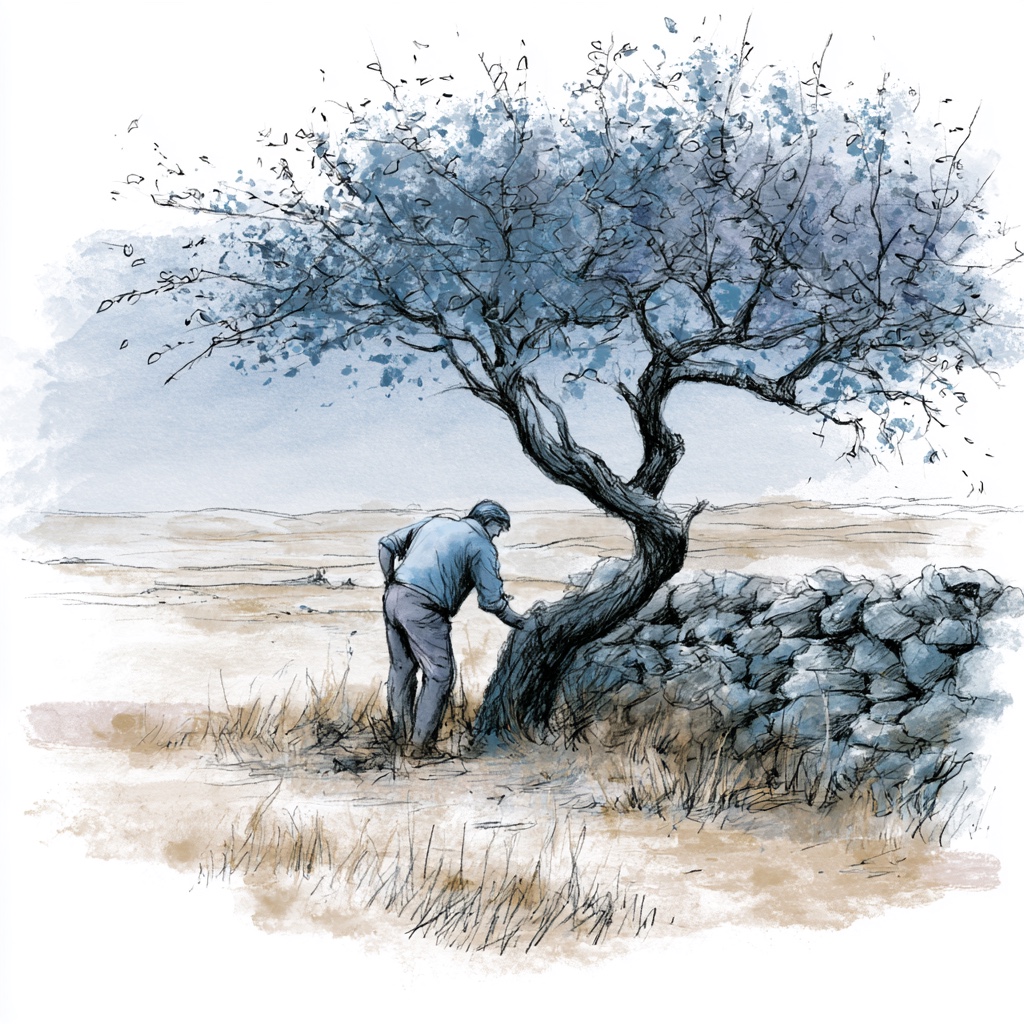
Steady State
What does this mean?
No extreme longitudinal divergence detected. The organization is maintaining its current operational philosophy.
The Path Forward
The Stewardship
Focuses on long-term sustainability and gentle cultivation of existing resources rather than forced expansion. It honors the organization's established role as a reliable anchor.

Title
Representative Institutions
Institutional Epochs
Historical Performance
| Year | Revenue | Top Comp | Comp % Rev | Score | Phase Label | Outlook | Details |
|---|---|---|---|---|---|---|---|
| 2017 | — | — | 37.1% | 16 | Critical Intervention Needed | Decline Risk | |
| 2016 | — | — | 22.9% | 22 | Critical Intervention Needed | Stable Watch | |
| 2011 | — | — | 34.4% | 24 | Critical Intervention Needed | Stable Watch |
Officer compensation history
No IRS 990 Part VII compensation data available for this organization.
Score breakdown
The three components combine into a single 0–100 score weighted as shown. Full methodology →
Peer comparison
Compared to 250 other orgs in NJ with NTEE prefix A6.
Most-divergent component: financial score sits 47 points below the peer median (0 vs. 47).
5-year trend: Steady State
No extreme longitudinal divergence detected. The organization is maintaining its current operational philosophy.
Overall score has gone from 24 → 16 over 3 years (declining by 8 points).
What's driving this score
- Comp-to-revenue ratio of 37.1% is above the 90th percentile for orgs of this size (healthy band: 18–22%).
- Financial resilience score in the bottom quartile — reserves and liabilities ratios warrant review.
What would change this score
The two changes that would most improve this score:
- Reduce top-officer compensation from 37.1% to under 22% of revenue — would move governance score by ~30 points.
- Separate signing authority from fundraising authority when both are held by one person — removes the concentration penalty (~12 points).
Improving governance is a board decision. These are the levers.